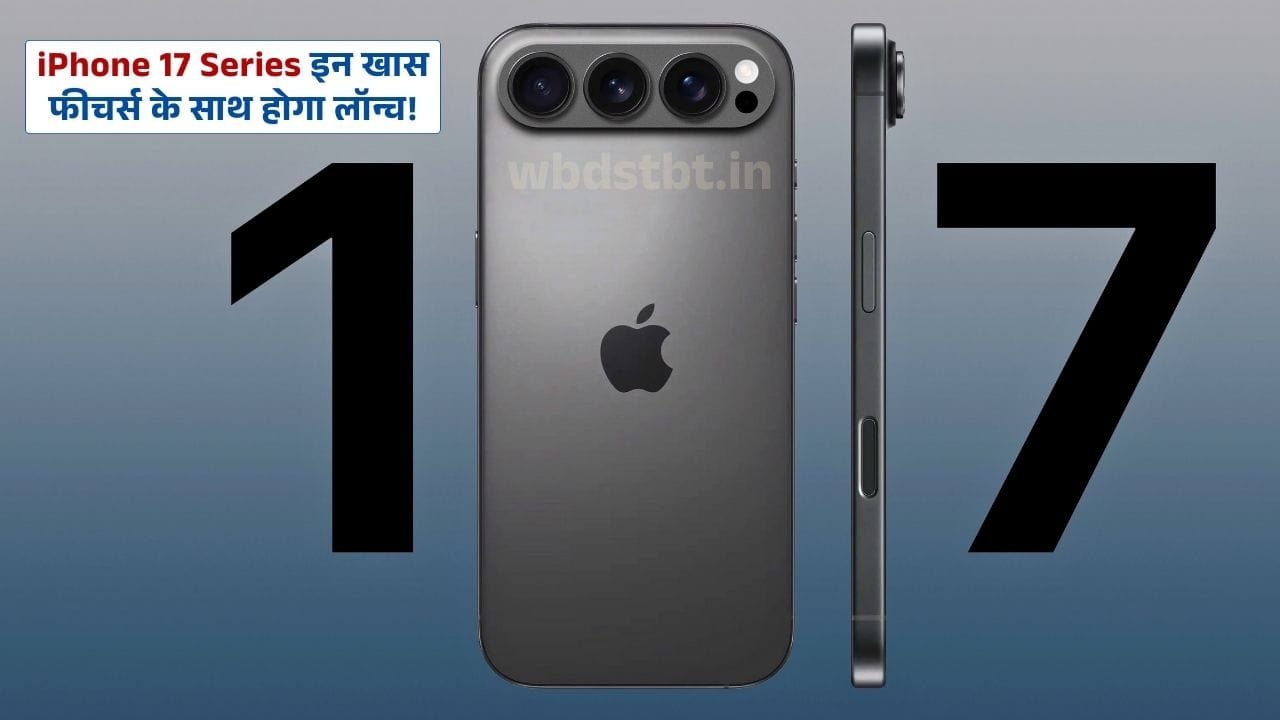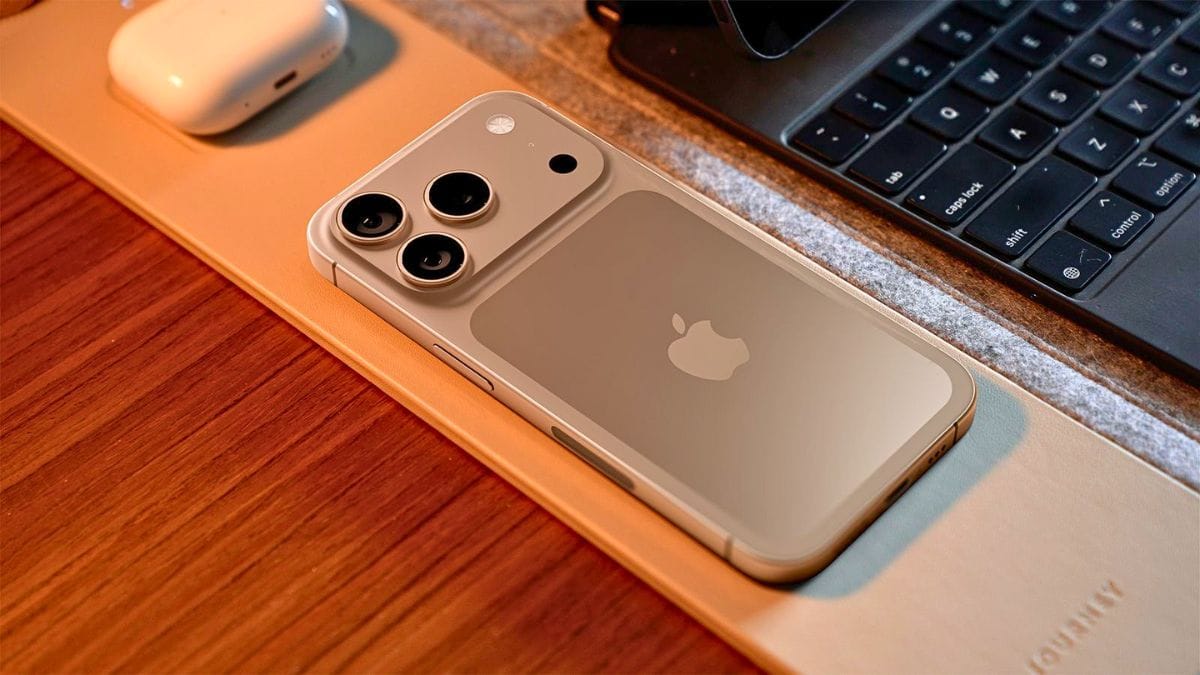
The iPhone 17 Pro is right around the corner, and as always, there’s buzz about what new features it might bring. One of the most talked-about is reverse wireless charging. It’s a feature Android phones like Samsung’s Galaxy series and Google Pixels have had for years. So why not iPhones yet? And will the iPhone 17 Pro finally have it?
Interestingly, Google’s latest Pixel 10 may have given us the answer — and it’s not what you’d expect.
Reverse
Let’s break down what reverse wireless charging is. Imagine your phone turning into a power bank. You place your wireless charging-compatible earbuds, a smartwatch, or even another phone on the back of your phone — and it starts charging. No wires. No mess. Super convenient.
Samsung and Google have offered this for years, so Apple fans have been waiting. Rumors hinted the iPhone 17 Pro might finally get it. But the truth may be more complicated.
MagSafe
Apple’s MagSafe is their version of magnetic wireless charging, introduced with the iPhone 12. It aligns perfectly using magnets, offering more efficient charging. But MagSafe isn’t just an Apple invention — it’s based on the Qi2 wireless charging standard, which Apple co-developed.
That means other companies using Qi2, like Google, can make similar magnetic charging tech. So if MagSafe and Qi2 support this tech, what’s stopping reverse charging?
Pixel Snap
Here’s where it gets interesting. The new Pixel 10 phones use PixelSnap, Google’s version of MagSafe. It also uses magnets and Qi2, making it compatible with chargers, wallets, and other accessories that snap onto the phone.
But guess what? Despite this progress, Google removed reverse wireless charging from the Pixel 10 — even though it was available in the Pixel 9 Pro. And no, it’s not because of software or Qi2 limitations. Google said it’s due to physical constraints in the design.
Limits
This could explain Apple’s hesitation. Maybe it’s not just about holding back features — maybe the iPhone design doesn’t support it efficiently either. Charging another device wirelessly generates more heat and drains the battery faster. It also needs space for additional hardware, which might not fit in Apple’s slim designs.
Unless Apple has secretly developed a workaround or a special MagSafe version that solves this issue, reverse wireless charging may not make the cut for the iPhone 17 Pro.
Reality
The Pixel 10 dropping reverse wireless charging is a big sign. It shows that even with Qi2 and advanced magnets, the hardware still limits what’s possible. Sure, Apple could surprise everyone with a last-minute announcement, but if the problem is physical, even Apple can’t defy the laws of physics.
So while reverse wireless charging sounds cool and useful, real-world tech has real-world limits. For now, don’t hold your breath — Pixel 10 may have just told us what’s coming… or not coming… to the iPhone 17 Pro.
FAQs
What is reverse wireless charging?
It lets a phone wirelessly charge other devices by placing them on its back.
Does Pixel 10 support reverse charging?
No, Google removed the feature from the Pixel 10 series.
Will iPhone 17 Pro have reverse charging?
Probably not, due to physical limitations in the design.
What is MagSafe based on?
MagSafe uses the Qi2 wireless charging standard with magnets.
Why did Google drop the feature?
Due to hardware and design limitations, not software issues.